placard home — guia rápido para iniciantes em 2026

placard home abre o debate sobre a ética e a sustentabilidade nas apostas desportivas, um tema cada vez mais presente. As casas de apostas e os apostadores partilham a responsabilidade de promover um ambiente saudável. Neste contexto, o placard home portugal pode ser entendido como uma ferramenta de transparência, ajudando a identificar padrões de comportamento e a promover práticas mais conscientes.

casino jackpot 2026 — vantagens para jogadores

Veja também:

coin master — melhores provedores | coin master

Bónus, Rollover e Condições em Placard

placard home resultados na Prática: Uma Visão Geral das Apostas Desportivas

Apostas desportivas na Placard: uma visão geral completa

A Placard estabeleceu-se como uma referência no mercado de apostas desportivas em Portugal, oferecendo uma plataforma robusta e intuitiva que atende tanto a apostadores iniciantes quanto a veteranos experientes. Com uma licença emitida pelo Serviço de Regulação e Inspeção de Jogos (SRIJ), a operadora garante um ambiente seguro e legal para todas as suas transações, cumprindo rigorosamente as normas locais. A casa disponibiliza um leque impressionante de modalidades, desde os desportos mais populares como futebol, basquetebol e ténis, até opções de nicho como dardos, snooker e desportos eletrónicos. A profundidade dos mercados é igualmente notável, com odds competitivas em pré-jogo e ao vivo, permitindo que os utilizadores acompanhem a ação em tempo real e ajustem as suas estratégias com base no desenrolar dos eventos. A interface, quer no desktop quer na aplicação móvel, foi desenhada para ser responsiva e de fácil navegação, com funcionalidades como apostas rápidas, cash out e construção de boletins personalizados, otimizando a experiência do utilizador em qualquer dispositivo.

Mercados de apostas e odds: diversidade e competitividade

Um dos grandes atrativos da Placard é a sua abrangente cobertura de mercados, que vai muito além dos tradicionais resultados finais. Os apostadores podem explorar opções como handicap asiático, total de golos, ambas as equipas marcam, intervalo/final, entre muitas outras, o que lhes confere uma flexibilidade estratégica considerável. As odds apresentadas são, em média, bastante competitivas quando comparadas com as principais casas do mercado português, e a operadora atualiza-as constantemente para refletir as últimas informações sobre lesões, condições meteorológicas e outras variáveis relevantes. Para os adeptos das apostas ao vivo, a secção de in-play destaca-se pela sua riqueza de dados e estatísticas em tempo real, incluindo gráficos de desempenho e comparativos de posse de bola, que auxiliam na tomada de decisões mais informadas. Além disso, a Placard oferece funcionalidades como o "cash out" total e parcial, que permite garantir lucros ou minimizar perdas antes do fim do evento, e a criação de apostas combinadas com boosters de odds em determinadas seleções, aumentando o potencial de retorno sem complicações adicionais.

Experiência móvel e aplicação dedicada

A aplicação móvel da Placard é um dos seus pontos mais fortes, proporcionando uma experiência de apostas praticamente idêntica à versão desktop, mas com a conveniência de poder apostar em qualquer lugar e a qualquer momento. Disponível para dispositivos iOS e Android, a app é leve, rápida e estável, com tempos de carregamento reduzidos e uma interface limpa que se adapta perfeitamente a ecrãs de diferentes tamanhos. A navegação é intuitiva, com acesso rápido aos desportos favoritos, mercados em destaque e eventos em curso, e a funcionalidade de notificações push mantém os utilizadores informados sobre resultados, início de jogos e promoções exclusivas. Para além da app, o site móvel é igualmente otimizado, garantindo uma experiência fluida mesmo em ligações mais lentas. A sincronização entre dispositivos é perfeita, permitindo que os apostadores iniciem um boletim no computador e o finalizem no telemóvel sem qualquer atrito, uma mais-valia para quem está sempre em movimento. A operadora também investe em tecnologias de segurança biométrica, como reconhecimento facial ou leitor de impressão digital, para garantir que o acesso à conta é seguro e exclusivo do utilizador.

casino online portugal gratis — ofertas imperdíveis | Casino Portugal

Métodos de pagamento e suporte ao cliente

Em termos de transações financeiras, a Placard disponibiliza uma variedade de métodos de pagamento adaptados ao mercado português, incluindo cartões de débito e crédito (Visa, Mastercard), transferências bancárias, carteiras eletrónicas como Skrill e Neteller, e soluções locais como o MB Way, que é extremamente popular entre os utilizadores nacionais. Os depósitos são processados de forma instantânea na maioria dos casos, e os levantamentos são geridos com eficiência, com tempos de processamento que variam entre algumas horas e dois dias úteis, dependendo do método escolhido. A política de pagamentos é transparente, sem taxas escondidas, e os limites são claramente comunicados. No que diz respeito ao apoio ao cliente, a equipa de suporte está disponível 24 horas por dia, 7 dias por semana, através de chat ao vivo, email e telefone, com agentes que falam português e demonstram um elevado nível de profissionalismo e conhecimento. O centro de ajuda online é igualmente completo, com artigos detalhados sobre como fazer depósitos, levantamentos, verificar a conta e resolver questões técnicas.

Como placard home bonus influencia as odds nos mercados de apostas

Odds boost is a promotional tool offered by sportsbooks that temporarily increases the payout on a specific bet or market, making it more attractive to bettors than the standard price. For example, a bookmaker might take a typical moneyline of +150 on an underdog and boost it to +200 for a limited time, or they might increase the combined odds on a same-game parlay from +300 to +400. The boost can be applied to single bets, multiple-leg parlays, futures, or even live in-play wagers, and it is often tied to a specific event, player performance, or a notable game. The key mechanism is that the sportsbook absorbs the extra liability, effectively giving the bettor a better expected value than what the true probability of the outcome would normally dictate. This means the house edge is reduced or even flipped in the bettor’s favor for that particular wager, which is why sportsbooks cap the maximum stake, typically ranging from $5 to $50, and limit the number of boosts a user can claim per day, week, or month. The boost is usually presented as a highlighted offer on the homepage, in a dedicated promotions section, or via a push notification, and it often requires a user to opt in or enter a promo code before placing the bet. Some boosts are automatic, meaning the enhanced odds are applied at the bet slip stage, while others require manual selection from a list of active boosts. The duration of a boost can vary from a few minutes during a live game to several days for a major event like the Super Bowl or the World Cup. To qualify, the bet must meet certain minimum odds, such as -200 or lower, and the stake must be placed within the specified window, with any cash-out or early settlement voiding the boost. The sportsbook also reserves the right to revoke the boost if it detects any abuse, such as creating multiple accounts, using arbitrage strategies, or hedging with another book. For the bettor, the main advantage is an increased return on investment for a given risk, which can be particularly valuable for long-shot parlays where even a small odds improvement can significantly raise the potential payout. For example, a three-leg parlay at +600 might be boosted to +750, which on a $50 stake increases the potential profit from $300 to $375. However, the boost is not always a pure gift; it is a marketing expense designed to attract new customers, retain existing ones, and encourage engagement with less popular markets or during slow periods. Experienced bettors often track boosts across multiple sportsbooks to find the ones with the highest positive expected value, comparing the boosted odds to the closing line or to a model’s probability estimate. They may also combine a boost with other promotions like free bets, deposit bonuses, or loyalty rewards to maximize their edge. The sportsbook, in turn, uses boosts to manage its risk exposure, offering them on outcomes that are less likely to be heavily bet, or on favorites that they believe are overvalued by the public. In regulated markets, boosts are subject to gaming commission rules, which require fair terms and clear disclosure of any restrictions, such as minimum odds or maximum payout caps. Some jurisdictions ban boosts that are misleading or that offer odds that mathematically cannot be sustained over time, but most allow them as long as they are clearly labeled as promotional. The history of odds boosts dates back to the early days of online sports betting, where they were a simple way to stand out from competitors, but they have evolved into a sophisticated pricing tool that uses data analytics to target specific user segments. For instance, a book might boost a player’s over on points scored if that player is popular among recreational bettors, or boost the under on a total if they have taken heavy action on the over from sharp bettors. The boost also serves as a psychological trigger, creating a sense of urgency and exclusivity, which drives higher betting volume and user engagement. In practice, a bettor might see a boost on a major tennis match where the underdog’s odds are raised from +250 to +300, but with a maximum stake of $25, so the extra profit is only $12.50, which is not life-changing but adds excitement. To make the most of boosts, it is advisable to read the full terms and conditions, because some boosts are only available for pre-match bets, others for live bets, and some require the bet to be placed via the mobile app. There are also ‘boosted odds’ that apply to entire markets, such as all NBA games on a particular night, or to a specific bet type like ‘anytime touchdown scorer’ during the NFL season. In some cases, the sportsbook will offer a ‘profit boost’ that multiplies the winnings by a certain factor, such as 1.5x or 2x, rather than changing the odds themselves, which works differently but has a similar effect. For example, a $100 bet at +200 would normally return $200 in profit, but with a 2x profit boost, it returns $400, effectively making the odds +400. This type of boost often has a higher maximum stake, sometimes up to $100, and is more common in newer sportsbooks that want to compete aggressively. Another variant is the ‘odds boost token’ that is awarded to loyal customers or as part of a VIP program, which can be used on any eligible bet within a certain timeframe. The token might be worth a 10% increase in odds, or a flat $50 bonus, and it typically expires after a few days. The overall impact of odds boosts on the betting market is that they increase the overall payout percentage for players, which can be as high as 105% or more during peak promotional periods, meaning the sportsbook is effectively paying out more than it takes in, but only on a limited set of bets. This is why sportsbooks carefully monitor their exposure and often limit the number of boosts available to a single user, or restrict them to new customers who have not yet established a betting pattern. For new bettors, odds boosts are an excellent way to learn about value betting, as they provide a clear example of how odds can be better than the true probability. For seasoned bettors, they are a tool to be exploited, and many use automated software to track and alert them to the most favorable boosts across all major books. The bottom line is that an odds boost is a temporary, finite-time offer that increases the potential return on a specific bet, and while it does not guarantee a win, it does tilt the expected value in the bettor’s favor, making it one of the most popular and effective promotions in the sports betting industry. To claim a boost, a user typically clicks on the offer in the promotions page, which then activates the boosted odds on the selected bet slip, and the user must place the bet within the specified time limit, usually before the event starts. Some boosts are also available for future events, such as ‘Tom Brady to throw over 2.5 touchdowns in Week 1’ with odds boosted from +120 to +150, but these are less common. The terms often state that the boosted odds are subject to change or removal at any time, and that the sportsbook’s decision is final.

Jogadores que buscam placard home devem sempre verificar a licença antes de se cadastrarem.

Placard em Resumo

Placard em Resumo
Feature Details
Bonuses 50 up to €100
Apostas rápidas Disponível
Tempo de saque 21 dias úteis
Saque rápido Em até 24h
Slot of the month Book of Dead

Experiência Visual da Placard

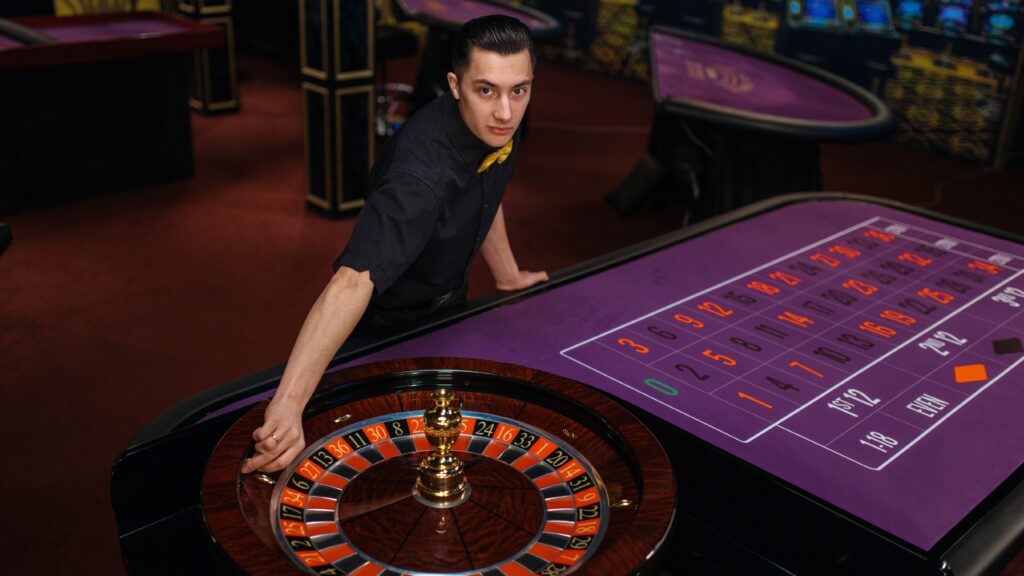
placard home

Como Melhorar a Experiência Móvel com placard home resultados

variants are the subtle, often overlooked deviations that populate the landscape of possibility, each one a distinct thread woven into the fabric of existence. In the biological realm, variants manifest as genetic mutations—single nucleotide polymorphisms, copy number variations, or larger chromosomal rearrangements—that arise spontaneously during DNA replication or under the influence of environmental mutagens. These alterations can be silent, conferring no observable change, or they can shift the phenotype dramatically, influencing everything from eye color to susceptibility to complex diseases like cancer or diabetes. The study of such variants, particularly through genome-wide association studies, has revolutionized medicine, allowing researchers to pinpoint risk alleles and develop targeted therapies. Yet variants are not confined to genetics; they permeate every layer of reality. In linguistics, variants are the dialectal differences in pronunciation, vocabulary, and syntax that distinguish one community’s speech from another, often carrying deep cultural and historical significance. For instance, the rhotic versus non-rhotic pronunciation of ‘r’ in English separates American and British speakers, while lexical variants like ‘soda,’ ‘pop,’ or ‘Coke’ map regional identities across the United States. Similarly, in software development, variants refer to different versions of a program, each with its own set of features, bug fixes, and performance tweaks, managed through version control systems like Git. These branches allow developers to experiment with radical ideas without destabilizing the main codebase, fostering innovation while maintaining stability. In the realm of statistics, a variant is a value that differs from the mean or median, and the analysis of variance (ANOVA) helps determine whether such differences are due to random chance or systematic effects. This mathematical lens is crucial in experimental design, from agricultural trials comparing crop yields to clinical trials evaluating drug efficacy. Beyond the scientific, variants appear in art and literature as alternative interpretations or adaptations—think of the countless retellings of Shakespeare’s plays, each director’s cut a unique variant that reshapes the original text’s emotional resonance. Even in our daily lives, we encounter variants in consumer products: the same sneaker model released in different colorways, the same recipe with regional spice adjustments, or the same smartphone with varying storage capacities. Each variant is a response to a specific need, a niche preference, or a creative impulse, reflecting the diversity of human desire and ingenuity. The philosophical implications are profound: if every object, idea, or organism exists not as a singular entity but as a spectrum of variants, then identity itself becomes fluid, defined by the boundaries we choose to draw. In taxonomy, for example, species are often subdivided into subspecies or ecotypes based on morphological or genetic variants, yet these categories are human constructs imposed on a continuum of variation. This is evident in the domestic dog, Canis lupus familiaris, which exhibits an astonishing range of size, coat, and behavior—each breed a variant selected for specific traits, yet all interbreeding successfully. The same principle applies to ideas: a single concept like ‘freedom’ has countless variants across cultures, each shaped by historical context, economic conditions, and philosophical traditions. In the digital age, variants have become even more prominent with the rise of machine learning, where models are trained on data that contain natural variants, and the models themselves generate variants through techniques like generative adversarial networks (GANs) or variational autoencoders (VAEs). These algorithms produce novel images, music, or text by exploring the latent space of possibilities, effectively creating new variants that never existed before. This has profound implications for creativity and authenticity, as we question what it means for a machine to produce a ‘variant’ of a human idea. In ecology, variants are the raw material for natural selection, driving adaptation and speciation. A classic example is the peppered moth (Biston betularia), whose light and dark variants rose and fell in frequency during the Industrial Revolution due to soot pollution altering predation pressures. This simple observation underscored the power of environmental change to shape the distribution of variants, a lesson that remains urgent in our era of rapid climate change. Even in the realm of physics, variants appear as quantum superposition states, where a particle exists in multiple states simultaneously until measurement collapses the wavefunction, revealing one particular variant. This fundamental indeterminacy challenges our classical notions of reality, suggesting that the universe itself is a repository of potential variants. In economics, variants are the different product versions offered by firms to segment markets and extract consumer surplus—think of airline tickets with different flexibility, baggage allowances, and seat choices, each a variant designed to appeal to distinct customer segments. The concept extends to financial instruments, where derivatives are variants of underlying assets, enabling hedging and speculation. In social policy, variants are the multiple approaches to solving a problem, such as different healthcare models (Beveridge, Bismarck, or out-of-pocket) each with its own strengths and weaknesses. The existence of variants implies that there is rarely a single ‘best’ solution; rather, optimality depends on context, values, and trade-offs. This pluralism is both a challenge and an opportunity—it demands that we compare, evaluate, and synthesize, but it also ensures that the system can adapt to changing circumstances. In literature, variants of a manuscript (like the multiple drafts of a novel) reveal the author’s creative process, showing how a story evolves through iteration. Scholars of textual criticism use these variants to reconstruct the most authentic version of ancient texts, such as the New Testament, where thousands of Greek manuscripts exhibit minor differences, each variant a potential clue to the original wording. Similarly, in music, variants are the improvisations or embellishments that a performer adds to a written score, making each performance unique. Jazz, in particular, thrives on such variants, with musicians exploring new harmonic and rhythmic possibilities within a given framework. The concept of variants also underpins the notion of parallel universes in cosmology, where every quantum event spawns a new branch of reality, each containing a different outcome. While this multiverse hypothesis remains speculative, it captures the intuitive sense that things could have been otherwise—that our world is just one variant among an infinite set. In engineering, variants are design iterations that optimize for different constraints, such as cost, durability, or weight. For example, the Boeing 737 has numerous variants (e.g., -700, -800, -900) each with adjusted fuselage lengths and capacities to meet diverse airline needs. This modular approach allows companies to offer a product family that covers a wide range of applications without redesigning from scratch. In the culinary world, variants are the regional twists on a classic dish—paella with seafood versus rabbit and snails, or ramen with soy, miso, or tonkotsu broth. These variants are not merely deviations but are celebrated as expressions of local identity and creativity. Even in the realm of ethics, variants exist in the form of different moral frameworks—utilitarianism, deontology, virtue ethics—each offering a distinct perspective on what constitutes right action. The existence of such variants does not necessarily lead to relativism; rather, it encourages a reflective equilibrium where we weigh the merits of each approach in different situations. In the end, variants are not just a statistical or biological curiosity; they are the very engine of change and diversity. Without variants, evolution would stagnate, innovation would cease, and culture would freeze into a monolith. The appreciation of variants is thus a celebration of life’s richness, a recognition that the world is not a single story but a tapestry of countless threads, each variant contributing its unique color and texture.

A análise de placard home inclui a avaliação do suporte ao cliente, disponível 24 horas por dia.

O que deves saber sobre placard home portugal

Como posso registar-me na Placard?

O processo de registo é simples: visite o site da Placard, clique em ‘Registar’ e preencha os dados solicitados. Após confirmar a sua conta, poderá fazer o primeiro depósito.

rodadas grátis portugal 2026 — rodadas grátis portugal cassino

Que métodos de pagamento são aceites na Placard?

A Placard aceita vários métodos, incluindo cartões de crédito/débito, carteiras eletrónicas e transferências bancárias. O depósito mínimo é de €5.

casino pagamento imediato 2026 — transações seguras

A Placard é licenciada?

Sim, a Placard opera sob a licença SRIJ — Serviço de Regulação e Inspeção de Jogos, garantindo um ambiente seguro e regulamentado para as suas apostas.

Como funcionam as odds e os mercados na Placard?

A Placard oferece odds competitivas e uma vasta gama de mercados em desportos como futebol, ténis e basquetebol. Pode consultar as odds em tempo real no site ou na aplicação móvel.

Existe bónus de boas-vindas na Placard?

Sim, novos utilizadores podem usufruir de um bónus de boas-vindas de 200% de bônus até €300. Este bónus está sujeito a requisitos de aposta de 25x requisito em 14 dias antes de poder levantar os ganhos.

Como Solicitar Autoexclusão em Placard

O jogo é destinado apenas a maiores de 18 anos. Em Portugal, a atividade é regulada pelo SRIJ (Serviço de Regulação e Inspeção de Jogos), que também disponibiliza o mecanismo de autoexclusão, permitindo-lhe bloquear o acesso a plataformas de jogo online. Se sentir que o jogo está a afetar a sua vida, contacte a linha Jogo Responsável do SRIJ para apoio e aconselhamento. Defina sempre limites de depósito e de tempo antes de jogar na Placard e encare o jogo como uma forma de entretenimento, nunca como uma tentativa de recuperar perdas. Jogue com moderação e responsabilidade.

cassinos 2026 — tudo que você precisa saber

Sobre o autor: . Analista de bónus e promoções, testando ofertas de boas-vindas e programas de fidelidade há 10 anos.


placard home — guia rápido para iniciantes em 2026

placard home abre o debate sobre a ética e a sustentabilidade nas apostas desportivas, um tema cada vez mais presente. As casas de apostas e os apostadores partilham a responsabilidade de promover um ambiente saudável. Neste contexto, o placard home portugal pode ser entendido como uma ferramenta de transparência, ajudando a identificar padrões de comportamento e a promover práticas mais conscientes.

Veja também:

Bónus, Rollover e Condições em Placard

placard home resultados na Prática: Uma Visão Geral das Apostas Desportivas

Apostas desportivas na Placard: uma visão geral completa

A Placard estabeleceu-se como uma referência no mercado de apostas desportivas em Portugal, oferecendo uma plataforma robusta e intuitiva que atende tanto a apostadores iniciantes quanto a veteranos experientes. Com uma licença emitida pelo Serviço de Regulação e Inspeção de Jogos (SRIJ), a operadora garante um ambiente seguro e legal para todas as suas transações, cumprindo rigorosamente as normas locais. A casa disponibiliza um leque impressionante de modalidades, desde os desportos mais populares como futebol, basquetebol e ténis, até opções de nicho como dardos, snooker e desportos eletrónicos. A profundidade dos mercados é igualmente notável, com odds competitivas em pré-jogo e ao vivo, permitindo que os utilizadores acompanhem a ação em tempo real e ajustem as suas estratégias com base no desenrolar dos eventos. A interface, quer no desktop quer na aplicação móvel, foi desenhada para ser responsiva e de fácil navegação, com funcionalidades como apostas rápidas, cash out e construção de boletins personalizados, otimizando a experiência do utilizador em qualquer dispositivo.

poker casino — Guia Completo de Poker | poker casino

Mercados de apostas e odds: diversidade e competitividade

Um dos grandes atrativos da Placard é a sua abrangente cobertura de mercados, que vai muito além dos tradicionais resultados finais. Os apostadores podem explorar opções como handicap asiático, total de golos, ambas as equipas marcam, intervalo/final, entre muitas outras, o que lhes confere uma flexibilidade estratégica considerável. As odds apresentadas são, em média, bastante competitivas quando comparadas com as principais casas do mercado português, e a operadora atualiza-as constantemente para refletir as últimas informações sobre lesões, condições meteorológicas e outras variáveis relevantes. Para os adeptos das apostas ao vivo, a secção de in-play destaca-se pela sua riqueza de dados e estatísticas em tempo real, incluindo gráficos de desempenho e comparativos de posse de bola, que auxiliam na tomada de decisões mais informadas. Além disso, a Placard oferece funcionalidades como o "cash out" total e parcial, que permite garantir lucros ou minimizar perdas antes do fim do evento, e a criação de apostas combinadas com boosters de odds em determinadas seleções, aumentando o potencial de retorno sem complicações adicionais.

Experiência móvel e aplicação dedicada

A aplicação móvel da Placard é um dos seus pontos mais fortes, proporcionando uma experiência de apostas praticamente idêntica à versão desktop, mas com a conveniência de poder apostar em qualquer lugar e a qualquer momento. Disponível para dispositivos iOS e Android, a app é leve, rápida e estável, com tempos de carregamento reduzidos e uma interface limpa que se adapta perfeitamente a ecrãs de diferentes tamanhos. A navegação é intuitiva, com acesso rápido aos desportos favoritos, mercados em destaque e eventos em curso, e a funcionalidade de notificações push mantém os utilizadores informados sobre resultados, início de jogos e promoções exclusivas. Para além da app, o site móvel é igualmente otimizado, garantindo uma experiência fluida mesmo em ligações mais lentas. A sincronização entre dispositivos é perfeita, permitindo que os apostadores iniciem um boletim no computador e o finalizem no telemóvel sem qualquer atrito, uma mais-valia para quem está sempre em movimento. A operadora também investe em tecnologias de segurança biométrica, como reconhecimento facial ou leitor de impressão digital, para garantir que o acesso à conta é seguro e exclusivo do utilizador.

betano bónus — recompensas instantâneas | Betano
casino jogos gratis 2026 — vantagens e riscos

Métodos de pagamento e suporte ao cliente

Em termos de transações financeiras, a Placard disponibiliza uma variedade de métodos de pagamento adaptados ao mercado português, incluindo cartões de débito e crédito (Visa, Mastercard), transferências bancárias, carteiras eletrónicas como Skrill e Neteller, e soluções locais como o MB Way, que é extremamente popular entre os utilizadores nacionais. Os depósitos são processados de forma instantânea na maioria dos casos, e os levantamentos são geridos com eficiência, com tempos de processamento que variam entre algumas horas e dois dias úteis, dependendo do método escolhido. A política de pagamentos é transparente, sem taxas escondidas, e os limites são claramente comunicados. No que diz respeito ao apoio ao cliente, a equipa de suporte está disponível 24 horas por dia, 7 dias por semana, através de chat ao vivo, email e telefone, com agentes que falam português e demonstram um elevado nível de profissionalismo e conhecimento. O centro de ajuda online é igualmente completo, com artigos detalhados sobre como fazer depósitos, levantamentos, verificar a conta e resolver questões técnicas.

rodadas gratis 2026 — rodadas grátis sem apostas

Como placard home bonus influencia as odds nos mercados de apostas

Odds boost is a promotional tool offered by sportsbooks that temporarily increases the payout on a specific bet or market, making it more attractive to bettors than the standard price. For example, a bookmaker might take a typical moneyline of +150 on an underdog and boost it to +200 for a limited time, or they might increase the combined odds on a same-game parlay from +300 to +400. The boost can be applied to single bets, multiple-leg parlays, futures, or even live in-play wagers, and it is often tied to a specific event, player performance, or a notable game. The key mechanism is that the sportsbook absorbs the extra liability, effectively giving the bettor a better expected value than what the true probability of the outcome would normally dictate. This means the house edge is reduced or even flipped in the bettor’s favor for that particular wager, which is why sportsbooks cap the maximum stake, typically ranging from $5 to $50, and limit the number of boosts a user can claim per day, week, or month. The boost is usually presented as a highlighted offer on the homepage, in a dedicated promotions section, or via a push notification, and it often requires a user to opt in or enter a promo code before placing the bet. Some boosts are automatic, meaning the enhanced odds are applied at the bet slip stage, while others require manual selection from a list of active boosts. The duration of a boost can vary from a few minutes during a live game to several days for a major event like the Super Bowl or the World Cup. To qualify, the bet must meet certain minimum odds, such as -200 or lower, and the stake must be placed within the specified window, with any cash-out or early settlement voiding the boost. The sportsbook also reserves the right to revoke the boost if it detects any abuse, such as creating multiple accounts, using arbitrage strategies, or hedging with another book. For the bettor, the main advantage is an increased return on investment for a given risk, which can be particularly valuable for long-shot parlays where even a small odds improvement can significantly raise the potential payout. For example, a three-leg parlay at +600 might be boosted to +750, which on a $50 stake increases the potential profit from $300 to $375. However, the boost is not always a pure gift; it is a marketing expense designed to attract new customers, retain existing ones, and encourage engagement with less popular markets or during slow periods. Experienced bettors often track boosts across multiple sportsbooks to find the ones with the highest positive expected value, comparing the boosted odds to the closing line or to a model’s probability estimate. They may also combine a boost with other promotions like free bets, deposit bonuses, or loyalty rewards to maximize their edge. The sportsbook, in turn, uses boosts to manage its risk exposure, offering them on outcomes that are less likely to be heavily bet, or on favorites that they believe are overvalued by the public. In regulated markets, boosts are subject to gaming commission rules, which require fair terms and clear disclosure of any restrictions, such as minimum odds or maximum payout caps. Some jurisdictions ban boosts that are misleading or that offer odds that mathematically cannot be sustained over time, but most allow them as long as they are clearly labeled as promotional. The history of odds boosts dates back to the early days of online sports betting, where they were a simple way to stand out from competitors, but they have evolved into a sophisticated pricing tool that uses data analytics to target specific user segments. For instance, a book might boost a player’s over on points scored if that player is popular among recreational bettors, or boost the under on a total if they have taken heavy action on the over from sharp bettors. The boost also serves as a psychological trigger, creating a sense of urgency and exclusivity, which drives higher betting volume and user engagement. In practice, a bettor might see a boost on a major tennis match where the underdog’s odds are raised from +250 to +300, but with a maximum stake of $25, so the extra profit is only $12.50, which is not life-changing but adds excitement. To make the most of boosts, it is advisable to read the full terms and conditions, because some boosts are only available for pre-match bets, others for live bets, and some require the bet to be placed via the mobile app. There are also ‘boosted odds’ that apply to entire markets, such as all NBA games on a particular night, or to a specific bet type like ‘anytime touchdown scorer’ during the NFL season. In some cases, the sportsbook will offer a ‘profit boost’ that multiplies the winnings by a certain factor, such as 1.5x or 2x, rather than changing the odds themselves, which works differently but has a similar effect. For example, a $100 bet at +200 would normally return $200 in profit, but with a 2x profit boost, it returns $400, effectively making the odds +400. This type of boost often has a higher maximum stake, sometimes up to $100, and is more common in newer sportsbooks that want to compete aggressively. Another variant is the ‘odds boost token’ that is awarded to loyal customers or as part of a VIP program, which can be used on any eligible bet within a certain timeframe. The token might be worth a 10% increase in odds, or a flat $50 bonus, and it typically expires after a few days. The overall impact of odds boosts on the betting market is that they increase the overall payout percentage for players, which can be as high as 105% or more during peak promotional periods, meaning the sportsbook is effectively paying out more than it takes in, but only on a limited set of bets. This is why sportsbooks carefully monitor their exposure and often limit the number of boosts available to a single user, or restrict them to new customers who have not yet established a betting pattern. For new bettors, odds boosts are an excellent way to learn about value betting, as they provide a clear example of how odds can be better than the true probability. For seasoned bettors, they are a tool to be exploited, and many use automated software to track and alert them to the most favorable boosts across all major books. The bottom line is that an odds boost is a temporary, finite-time offer that increases the potential return on a specific bet, and while it does not guarantee a win, it does tilt the expected value in the bettor’s favor, making it one of the most popular and effective promotions in the sports betting industry. To claim a boost, a user typically clicks on the offer in the promotions page, which then activates the boosted odds on the selected bet slip, and the user must place the bet within the specified time limit, usually before the event starts. Some boosts are also available for future events, such as ‘Tom Brady to throw over 2.5 touchdowns in Week 1’ with odds boosted from +120 to +150, but these are less common. The terms often state that the boosted odds are subject to change or removal at any time, and that the sportsbook’s decision is final.

Jogadores que buscam placard home devem sempre verificar a licença antes de se cadastrarem.

Placard em Resumo

Placard em Resumo
Feature Details
Bonuses 50 up to €100
Apostas rápidas Disponível
Tempo de saque 21 dias úteis
Saque rápido Em até 24h
Slot of the month Book of Dead

Experiência Visual da Placard

placard home

Como Melhorar a Experiência Móvel com placard home resultados

variants are the subtle, often overlooked deviations that populate the landscape of possibility, each one a distinct thread woven into the fabric of existence. In the biological realm, variants manifest as genetic mutations—single nucleotide polymorphisms, copy number variations, or larger chromosomal rearrangements—that arise spontaneously during DNA replication or under the influence of environmental mutagens. These alterations can be silent, conferring no observable change, or they can shift the phenotype dramatically, influencing everything from eye color to susceptibility to complex diseases like cancer or diabetes. The study of such variants, particularly through genome-wide association studies, has revolutionized medicine, allowing researchers to pinpoint risk alleles and develop targeted therapies. Yet variants are not confined to genetics; they permeate every layer of reality. In linguistics, variants are the dialectal differences in pronunciation, vocabulary, and syntax that distinguish one community’s speech from another, often carrying deep cultural and historical significance. For instance, the rhotic versus non-rhotic pronunciation of ‘r’ in English separates American and British speakers, while lexical variants like ‘soda,’ ‘pop,’ or ‘Coke’ map regional identities across the United States. Similarly, in software development, variants refer to different versions of a program, each with its own set of features, bug fixes, and performance tweaks, managed through version control systems like Git. These branches allow developers to experiment with radical ideas without destabilizing the main codebase, fostering innovation while maintaining stability. In the realm of statistics, a variant is a value that differs from the mean or median, and the analysis of variance (ANOVA) helps determine whether such differences are due to random chance or systematic effects. This mathematical lens is crucial in experimental design, from agricultural trials comparing crop yields to clinical trials evaluating drug efficacy. Beyond the scientific, variants appear in art and literature as alternative interpretations or adaptations—think of the countless retellings of Shakespeare’s plays, each director’s cut a unique variant that reshapes the original text’s emotional resonance. Even in our daily lives, we encounter variants in consumer products: the same sneaker model released in different colorways, the same recipe with regional spice adjustments, or the same smartphone with varying storage capacities. Each variant is a response to a specific need, a niche preference, or a creative impulse, reflecting the diversity of human desire and ingenuity. The philosophical implications are profound: if every object, idea, or organism exists not as a singular entity but as a spectrum of variants, then identity itself becomes fluid, defined by the boundaries we choose to draw. In taxonomy, for example, species are often subdivided into subspecies or ecotypes based on morphological or genetic variants, yet these categories are human constructs imposed on a continuum of variation. This is evident in the domestic dog, Canis lupus familiaris, which exhibits an astonishing range of size, coat, and behavior—each breed a variant selected for specific traits, yet all interbreeding successfully. The same principle applies to ideas: a single concept like ‘freedom’ has countless variants across cultures, each shaped by historical context, economic conditions, and philosophical traditions. In the digital age, variants have become even more prominent with the rise of machine learning, where models are trained on data that contain natural variants, and the models themselves generate variants through techniques like generative adversarial networks (GANs) or variational autoencoders (VAEs). These algorithms produce novel images, music, or text by exploring the latent space of possibilities, effectively creating new variants that never existed before. This has profound implications for creativity and authenticity, as we question what it means for a machine to produce a ‘variant’ of a human idea. In ecology, variants are the raw material for natural selection, driving adaptation and speciation. A classic example is the peppered moth (Biston betularia), whose light and dark variants rose and fell in frequency during the Industrial Revolution due to soot pollution altering predation pressures. This simple observation underscored the power of environmental change to shape the distribution of variants, a lesson that remains urgent in our era of rapid climate change. Even in the realm of physics, variants appear as quantum superposition states, where a particle exists in multiple states simultaneously until measurement collapses the wavefunction, revealing one particular variant. This fundamental indeterminacy challenges our classical notions of reality, suggesting that the universe itself is a repository of potential variants. In economics, variants are the different product versions offered by firms to segment markets and extract consumer surplus—think of airline tickets with different flexibility, baggage allowances, and seat choices, each a variant designed to appeal to distinct customer segments. The concept extends to financial instruments, where derivatives are variants of underlying assets, enabling hedging and speculation. In social policy, variants are the multiple approaches to solving a problem, such as different healthcare models (Beveridge, Bismarck, or out-of-pocket) each with its own strengths and weaknesses. The existence of variants implies that there is rarely a single ‘best’ solution; rather, optimality depends on context, values, and trade-offs. This pluralism is both a challenge and an opportunity—it demands that we compare, evaluate, and synthesize, but it also ensures that the system can adapt to changing circumstances. In literature, variants of a manuscript (like the multiple drafts of a novel) reveal the author’s creative process, showing how a story evolves through iteration. Scholars of textual criticism use these variants to reconstruct the most authentic version of ancient texts, such as the New Testament, where thousands of Greek manuscripts exhibit minor differences, each variant a potential clue to the original wording. Similarly, in music, variants are the improvisations or embellishments that a performer adds to a written score, making each performance unique. Jazz, in particular, thrives on such variants, with musicians exploring new harmonic and rhythmic possibilities within a given framework. The concept of variants also underpins the notion of parallel universes in cosmology, where every quantum event spawns a new branch of reality, each containing a different outcome. While this multiverse hypothesis remains speculative, it captures the intuitive sense that things could have been otherwise—that our world is just one variant among an infinite set. In engineering, variants are design iterations that optimize for different constraints, such as cost, durability, or weight. For example, the Boeing 737 has numerous variants (e.g., -700, -800, -900) each with adjusted fuselage lengths and capacities to meet diverse airline needs. This modular approach allows companies to offer a product family that covers a wide range of applications without redesigning from scratch. In the culinary world, variants are the regional twists on a classic dish—paella with seafood versus rabbit and snails, or ramen with soy, miso, or tonkotsu broth. These variants are not merely deviations but are celebrated as expressions of local identity and creativity. Even in the realm of ethics, variants exist in the form of different moral frameworks—utilitarianism, deontology, virtue ethics—each offering a distinct perspective on what constitutes right action. The existence of such variants does not necessarily lead to relativism; rather, it encourages a reflective equilibrium where we weigh the merits of each approach in different situations. In the end, variants are not just a statistical or biological curiosity; they are the very engine of change and diversity. Without variants, evolution would stagnate, innovation would cease, and culture would freeze into a monolith. The appreciation of variants is thus a celebration of life’s richness, a recognition that the world is not a single story but a tapestry of countless threads, each variant contributing its unique color and texture.

A análise de placard home inclui a avaliação do suporte ao cliente, disponível 24 horas por dia.

O que deves saber sobre placard home portugal

Como posso registar-me na Placard?

O processo de registo é simples: visite o site da Placard, clique em ‘Registar’ e preencha os dados solicitados. Após confirmar a sua conta, poderá fazer o primeiro depósito.

Que métodos de pagamento são aceites na Placard?

A Placard aceita vários métodos, incluindo cartões de crédito/débito, carteiras eletrónicas e transferências bancárias. O depósito mínimo é de €5.

A Placard é licenciada?

Sim, a Placard opera sob a licença SRIJ — Serviço de Regulação e Inspeção de Jogos, garantindo um ambiente seguro e regulamentado para as suas apostas.

Como funcionam as odds e os mercados na Placard?

A Placard oferece odds competitivas e uma vasta gama de mercados em desportos como futebol, ténis e basquetebol. Pode consultar as odds em tempo real no site ou na aplicação móvel.

Existe bónus de boas-vindas na Placard?

Sim, novos utilizadores podem usufruir de um bónus de boas-vindas de 200% de bônus até €300. Este bónus está sujeito a requisitos de aposta de 25x requisito em 14 dias antes de poder levantar os ganhos.

Como Solicitar Autoexclusão em Placard

O jogo é destinado apenas a maiores de 18 anos. Em Portugal, a atividade é regulada pelo SRIJ (Serviço de Regulação e Inspeção de Jogos), que também disponibiliza o mecanismo de autoexclusão, permitindo-lhe bloquear o acesso a plataformas de jogo online. Se sentir que o jogo está a afetar a sua vida, contacte a linha Jogo Responsável do SRIJ para apoio e aconselhamento. Defina sempre limites de depósito e de tempo antes de jogar na Placard e encare o jogo como uma forma de entretenimento, nunca como uma tentativa de recuperar perdas. Jogue com moderação e responsabilidade.

poker casino estoril — Guia Completo de Poker | poker casino estoril

Sobre o autor: . Analista de bónus e promoções, testando ofertas de boas-vindas e programas de fidelidade há 10 anos.


placard home — guia rápido para iniciantes em 2026

placard home abre o debate sobre a ética e a sustentabilidade nas apostas desportivas, um tema cada vez mais presente. As casas de apostas e os apostadores partilham a responsabilidade de promover um ambiente saudável. Neste contexto, o placard home portugal pode ser entendido como uma ferramenta de transparência, ajudando a identificar padrões de comportamento e a promover práticas mais conscientes.

Veja também:

Bónus, Rollover e Condições em Placard

placard home resultados na Prática: Uma Visão Geral das Apostas Desportivas

Apostas desportivas na Placard: uma visão geral completa

A Placard estabeleceu-se como uma referência no mercado de apostas desportivas em Portugal, oferecendo uma plataforma robusta e intuitiva que atende tanto a apostadores iniciantes quanto a veteranos experientes. Com uma licença emitida pelo Serviço de Regulação e Inspeção de Jogos (SRIJ), a operadora garante um ambiente seguro e legal para todas as suas transações, cumprindo rigorosamente as normas locais. A casa disponibiliza um leque impressionante de modalidades, desde os desportos mais populares como futebol, basquetebol e ténis, até opções de nicho como dardos, snooker e desportos eletrónicos. A profundidade dos mercados é igualmente notável, com odds competitivas em pré-jogo e ao vivo, permitindo que os utilizadores acompanhem a ação em tempo real e ajustem as suas estratégias com base no desenrolar dos eventos. A interface, quer no desktop quer na aplicação móvel, foi desenhada para ser responsiva e de fácil navegação, com funcionalidades como apostas rápidas, cash out e construção de boletins personalizados, otimizando a experiência do utilizador em qualquer dispositivo.

Mercados de apostas e odds: diversidade e competitividade

Um dos grandes atrativos da Placard é a sua abrangente cobertura de mercados, que vai muito além dos tradicionais resultados finais. Os apostadores podem explorar opções como handicap asiático, total de golos, ambas as equipas marcam, intervalo/final, entre muitas outras, o que lhes confere uma flexibilidade estratégica considerável. As odds apresentadas são, em média, bastante competitivas quando comparadas com as principais casas do mercado português, e a operadora atualiza-as constantemente para refletir as últimas informações sobre lesões, condições meteorológicas e outras variáveis relevantes. Para os adeptos das apostas ao vivo, a secção de in-play destaca-se pela sua riqueza de dados e estatísticas em tempo real, incluindo gráficos de desempenho e comparativos de posse de bola, que auxiliam na tomada de decisões mais informadas. Além disso, a Placard oferece funcionalidades como o "cash out" total e parcial, que permite garantir lucros ou minimizar perdas antes do fim do evento, e a criação de apostas combinadas com boosters de odds em determinadas seleções, aumentando o potencial de retorno sem complicações adicionais.

Experiência móvel e aplicação dedicada

A aplicação móvel da Placard é um dos seus pontos mais fortes, proporcionando uma experiência de apostas praticamente idêntica à versão desktop, mas com a conveniência de poder apostar em qualquer lugar e a qualquer momento. Disponível para dispositivos iOS e Android, a app é leve, rápida e estável, com tempos de carregamento reduzidos e uma interface limpa que se adapta perfeitamente a ecrãs de diferentes tamanhos. A navegação é intuitiva, com acesso rápido aos desportos favoritos, mercados em destaque e eventos em curso, e a funcionalidade de notificações push mantém os utilizadores informados sobre resultados, início de jogos e promoções exclusivas. Para além da app, o site móvel é igualmente otimizado, garantindo uma experiência fluida mesmo em ligações mais lentas. A sincronização entre dispositivos é perfeita, permitindo que os apostadores iniciem um boletim no computador e o finalizem no telemóvel sem qualquer atrito, uma mais-valia para quem está sempre em movimento. A operadora também investe em tecnologias de segurança biométrica, como reconhecimento facial ou leitor de impressão digital, para garantir que o acesso à conta é seguro e exclusivo do utilizador.

Métodos de pagamento e suporte ao cliente

Em termos de transações financeiras, a Placard disponibiliza uma variedade de métodos de pagamento adaptados ao mercado português, incluindo cartões de débito e crédito (Visa, Mastercard), transferências bancárias, carteiras eletrónicas como Skrill e Neteller, e soluções locais como o MB Way, que é extremamente popular entre os utilizadores nacionais. Os depósitos são processados de forma instantânea na maioria dos casos, e os levantamentos são geridos com eficiência, com tempos de processamento que variam entre algumas horas e dois dias úteis, dependendo do método escolhido. A política de pagamentos é transparente, sem taxas escondidas, e os limites são claramente comunicados. No que diz respeito ao apoio ao cliente, a equipa de suporte está disponível 24 horas por dia, 7 dias por semana, através de chat ao vivo, email e telefone, com agentes que falam português e demonstram um elevado nível de profissionalismo e conhecimento. O centro de ajuda online é igualmente completo, com artigos detalhados sobre como fazer depósitos, levantamentos, verificar a conta e resolver questões técnicas.

Como placard home bonus influencia as odds nos mercados de apostas

Odds boost is a promotional tool offered by sportsbooks that temporarily increases the payout on a specific bet or market, making it more attractive to bettors than the standard price. For example, a bookmaker might take a typical moneyline of +150 on an underdog and boost it to +200 for a limited time, or they might increase the combined odds on a same-game parlay from +300 to +400. The boost can be applied to single bets, multiple-leg parlays, futures, or even live in-play wagers, and it is often tied to a specific event, player performance, or a notable game. The key mechanism is that the sportsbook absorbs the extra liability, effectively giving the bettor a better expected value than what the true probability of the outcome would normally dictate. This means the house edge is reduced or even flipped in the bettor’s favor for that particular wager, which is why sportsbooks cap the maximum stake, typically ranging from $5 to $50, and limit the number of boosts a user can claim per day, week, or month. The boost is usually presented as a highlighted offer on the homepage, in a dedicated promotions section, or via a push notification, and it often requires a user to opt in or enter a promo code before placing the bet. Some boosts are automatic, meaning the enhanced odds are applied at the bet slip stage, while others require manual selection from a list of active boosts. The duration of a boost can vary from a few minutes during a live game to several days for a major event like the Super Bowl or the World Cup. To qualify, the bet must meet certain minimum odds, such as -200 or lower, and the stake must be placed within the specified window, with any cash-out or early settlement voiding the boost. The sportsbook also reserves the right to revoke the boost if it detects any abuse, such as creating multiple accounts, using arbitrage strategies, or hedging with another book. For the bettor, the main advantage is an increased return on investment for a given risk, which can be particularly valuable for long-shot parlays where even a small odds improvement can significantly raise the potential payout. For example, a three-leg parlay at +600 might be boosted to +750, which on a $50 stake increases the potential profit from $300 to $375. However, the boost is not always a pure gift; it is a marketing expense designed to attract new customers, retain existing ones, and encourage engagement with less popular markets or during slow periods. Experienced bettors often track boosts across multiple sportsbooks to find the ones with the highest positive expected value, comparing the boosted odds to the closing line or to a model’s probability estimate. They may also combine a boost with other promotions like free bets, deposit bonuses, or loyalty rewards to maximize their edge. The sportsbook, in turn, uses boosts to manage its risk exposure, offering them on outcomes that are less likely to be heavily bet, or on favorites that they believe are overvalued by the public. In regulated markets, boosts are subject to gaming commission rules, which require fair terms and clear disclosure of any restrictions, such as minimum odds or maximum payout caps. Some jurisdictions ban boosts that are misleading or that offer odds that mathematically cannot be sustained over time, but most allow them as long as they are clearly labeled as promotional. The history of odds boosts dates back to the early days of online sports betting, where they were a simple way to stand out from competitors, but they have evolved into a sophisticated pricing tool that uses data analytics to target specific user segments. For instance, a book might boost a player’s over on points scored if that player is popular among recreational bettors, or boost the under on a total if they have taken heavy action on the over from sharp bettors. The boost also serves as a psychological trigger, creating a sense of urgency and exclusivity, which drives higher betting volume and user engagement. In practice, a bettor might see a boost on a major tennis match where the underdog’s odds are raised from +250 to +300, but with a maximum stake of $25, so the extra profit is only $12.50, which is not life-changing but adds excitement. To make the most of boosts, it is advisable to read the full terms and conditions, because some boosts are only available for pre-match bets, others for live bets, and some require the bet to be placed via the mobile app. There are also ‘boosted odds’ that apply to entire markets, such as all NBA games on a particular night, or to a specific bet type like ‘anytime touchdown scorer’ during the NFL season. In some cases, the sportsbook will offer a ‘profit boost’ that multiplies the winnings by a certain factor, such as 1.5x or 2x, rather than changing the odds themselves, which works differently but has a similar effect. For example, a $100 bet at +200 would normally return $200 in profit, but with a 2x profit boost, it returns $400, effectively making the odds +400. This type of boost often has a higher maximum stake, sometimes up to $100, and is more common in newer sportsbooks that want to compete aggressively. Another variant is the ‘odds boost token’ that is awarded to loyal customers or as part of a VIP program, which can be used on any eligible bet within a certain timeframe. The token might be worth a 10% increase in odds, or a flat $50 bonus, and it typically expires after a few days. The overall impact of odds boosts on the betting market is that they increase the overall payout percentage for players, which can be as high as 105% or more during peak promotional periods, meaning the sportsbook is effectively paying out more than it takes in, but only on a limited set of bets. This is why sportsbooks carefully monitor their exposure and often limit the number of boosts available to a single user, or restrict them to new customers who have not yet established a betting pattern. For new bettors, odds boosts are an excellent way to learn about value betting, as they provide a clear example of how odds can be better than the true probability. For seasoned bettors, they are a tool to be exploited, and many use automated software to track and alert them to the most favorable boosts across all major books. The bottom line is that an odds boost is a temporary, finite-time offer that increases the potential return on a specific bet, and while it does not guarantee a win, it does tilt the expected value in the bettor’s favor, making it one of the most popular and effective promotions in the sports betting industry. To claim a boost, a user typically clicks on the offer in the promotions page, which then activates the boosted odds on the selected bet slip, and the user must place the bet within the specified time limit, usually before the event starts. Some boosts are also available for future events, such as ‘Tom Brady to throw over 2.5 touchdowns in Week 1’ with odds boosted from +120 to +150, but these are less common. The terms often state that the boosted odds are subject to change or removal at any time, and that the sportsbook’s decision is final.

Jogadores que buscam placard home devem sempre verificar a licença antes de se cadastrarem.

Placard em Resumo

Placard em Resumo
Feature Details
Bonuses 50 up to €100
Apostas rápidas Disponível
Tempo de saque 21 dias úteis
Saque rápido Em até 24h
Slot of the month Book of Dead

Experiência Visual da Placard

placard home

Como Melhorar a Experiência Móvel com placard home resultados

variants are the subtle, often overlooked deviations that populate the landscape of possibility, each one a distinct thread woven into the fabric of existence. In the biological realm, variants manifest as genetic mutations—single nucleotide polymorphisms, copy number variations, or larger chromosomal rearrangements—that arise spontaneously during DNA replication or under the influence of environmental mutagens. These alterations can be silent, conferring no observable change, or they can shift the phenotype dramatically, influencing everything from eye color to susceptibility to complex diseases like cancer or diabetes. The study of such variants, particularly through genome-wide association studies, has revolutionized medicine, allowing researchers to pinpoint risk alleles and develop targeted therapies. Yet variants are not confined to genetics; they permeate every layer of reality. In linguistics, variants are the dialectal differences in pronunciation, vocabulary, and syntax that distinguish one community’s speech from another, often carrying deep cultural and historical significance. For instance, the rhotic versus non-rhotic pronunciation of ‘r’ in English separates American and British speakers, while lexical variants like ‘soda,’ ‘pop,’ or ‘Coke’ map regional identities across the United States. Similarly, in software development, variants refer to different versions of a program, each with its own set of features, bug fixes, and performance tweaks, managed through version control systems like Git. These branches allow developers to experiment with radical ideas without destabilizing the main codebase, fostering innovation while maintaining stability. In the realm of statistics, a variant is a value that differs from the mean or median, and the analysis of variance (ANOVA) helps determine whether such differences are due to random chance or systematic effects. This mathematical lens is crucial in experimental design, from agricultural trials comparing crop yields to clinical trials evaluating drug efficacy. Beyond the scientific, variants appear in art and literature as alternative interpretations or adaptations—think of the countless retellings of Shakespeare’s plays, each director’s cut a unique variant that reshapes the original text’s emotional resonance. Even in our daily lives, we encounter variants in consumer products: the same sneaker model released in different colorways, the same recipe with regional spice adjustments, or the same smartphone with varying storage capacities. Each variant is a response to a specific need, a niche preference, or a creative impulse, reflecting the diversity of human desire and ingenuity. The philosophical implications are profound: if every object, idea, or organism exists not as a singular entity but as a spectrum of variants, then identity itself becomes fluid, defined by the boundaries we choose to draw. In taxonomy, for example, species are often subdivided into subspecies or ecotypes based on morphological or genetic variants, yet these categories are human constructs imposed on a continuum of variation. This is evident in the domestic dog, Canis lupus familiaris, which exhibits an astonishing range of size, coat, and behavior—each breed a variant selected for specific traits, yet all interbreeding successfully. The same principle applies to ideas: a single concept like ‘freedom’ has countless variants across cultures, each shaped by historical context, economic conditions, and philosophical traditions. In the digital age, variants have become even more prominent with the rise of machine learning, where models are trained on data that contain natural variants, and the models themselves generate variants through techniques like generative adversarial networks (GANs) or variational autoencoders (VAEs). These algorithms produce novel images, music, or text by exploring the latent space of possibilities, effectively creating new variants that never existed before. This has profound implications for creativity and authenticity, as we question what it means for a machine to produce a ‘variant’ of a human idea. In ecology, variants are the raw material for natural selection, driving adaptation and speciation. A classic example is the peppered moth (Biston betularia), whose light and dark variants rose and fell in frequency during the Industrial Revolution due to soot pollution altering predation pressures. This simple observation underscored the power of environmental change to shape the distribution of variants, a lesson that remains urgent in our era of rapid climate change. Even in the realm of physics, variants appear as quantum superposition states, where a particle exists in multiple states simultaneously until measurement collapses the wavefunction, revealing one particular variant. This fundamental indeterminacy challenges our classical notions of reality, suggesting that the universe itself is a repository of potential variants. In economics, variants are the different product versions offered by firms to segment markets and extract consumer surplus—think of airline tickets with different flexibility, baggage allowances, and seat choices, each a variant designed to appeal to distinct customer segments. The concept extends to financial instruments, where derivatives are variants of underlying assets, enabling hedging and speculation. In social policy, variants are the multiple approaches to solving a problem, such as different healthcare models (Beveridge, Bismarck, or out-of-pocket) each with its own strengths and weaknesses. The existence of variants implies that there is rarely a single ‘best’ solution; rather, optimality depends on context, values, and trade-offs. This pluralism is both a challenge and an opportunity—it demands that we compare, evaluate, and synthesize, but it also ensures that the system can adapt to changing circumstances. In literature, variants of a manuscript (like the multiple drafts of a novel) reveal the author’s creative process, showing how a story evolves through iteration. Scholars of textual criticism use these variants to reconstruct the most authentic version of ancient texts, such as the New Testament, where thousands of Greek manuscripts exhibit minor differences, each variant a potential clue to the original wording. Similarly, in music, variants are the improvisations or embellishments that a performer adds to a written score, making each performance unique. Jazz, in particular, thrives on such variants, with musicians exploring new harmonic and rhythmic possibilities within a given framework. The concept of variants also underpins the notion of parallel universes in cosmology, where every quantum event spawns a new branch of reality, each containing a different outcome. While this multiverse hypothesis remains speculative, it captures the intuitive sense that things could have been otherwise—that our world is just one variant among an infinite set. In engineering, variants are design iterations that optimize for different constraints, such as cost, durability, or weight. For example, the Boeing 737 has numerous variants (e.g., -700, -800, -900) each with adjusted fuselage lengths and capacities to meet diverse airline needs. This modular approach allows companies to offer a product family that covers a wide range of applications without redesigning from scratch. In the culinary world, variants are the regional twists on a classic dish—paella with seafood versus rabbit and snails, or ramen with soy, miso, or tonkotsu broth. These variants are not merely deviations but are celebrated as expressions of local identity and creativity. Even in the realm of ethics, variants exist in the form of different moral frameworks—utilitarianism, deontology, virtue ethics—each offering a distinct perspective on what constitutes right action. The existence of such variants does not necessarily lead to relativism; rather, it encourages a reflective equilibrium where we weigh the merits of each approach in different situations. In the end, variants are not just a statistical or biological curiosity; they are the very engine of change and diversity. Without variants, evolution would stagnate, innovation would cease, and culture would freeze into a monolith. The appreciation of variants is thus a celebration of life’s richness, a recognition that the world is not a single story but a tapestry of countless threads, each variant contributing its unique color and texture.

joker casino — resultados ao vivo | joker casino

A análise de placard home inclui a avaliação do suporte ao cliente, disponível 24 horas por dia.

O que deves saber sobre placard home portugal

Como posso registar-me na Placard?

O processo de registo é simples: visite o site da Placard, clique em ‘Registar’ e preencha os dados solicitados. Após confirmar a sua conta, poderá fazer o primeiro depósito.

Que métodos de pagamento são aceites na Placard?

A Placard aceita vários métodos, incluindo cartões de crédito/débito, carteiras eletrónicas e transferências bancárias. O depósito mínimo é de €5.

A Placard é licenciada?

Sim, a Placard opera sob a licença SRIJ — Serviço de Regulação e Inspeção de Jogos, garantindo um ambiente seguro e regulamentado para as suas apostas.

Como funcionam as odds e os mercados na Placard?

A Placard oferece odds competitivas e uma vasta gama de mercados em desportos como futebol, ténis e basquetebol. Pode consultar as odds em tempo real no site ou na aplicação móvel.

Existe bónus de boas-vindas na Placard?

Sim, novos utilizadores podem usufruir de um bónus de boas-vindas de 200% de bônus até €300. Este bónus está sujeito a requisitos de aposta de 25x requisito em 14 dias antes de poder levantar os ganhos.

casino online roleta — ofertas imperdíveis | casino online roleta

Como Solicitar Autoexclusão em Placard

O jogo é destinado apenas a maiores de 18 anos. Em Portugal, a atividade é regulada pelo SRIJ (Serviço de Regulação e Inspeção de Jogos), que também disponibiliza o mecanismo de autoexclusão, permitindo-lhe bloquear o acesso a plataformas de jogo online. Se sentir que o jogo está a afetar a sua vida, contacte a linha Jogo Responsável do SRIJ para apoio e aconselhamento. Defina sempre limites de depósito e de tempo antes de jogar na Placard e encare o jogo como uma forma de entretenimento, nunca como uma tentativa de recuperar perdas. Jogue com moderação e responsabilidade.

Sobre o autor: . Analista de bónus e promoções, testando ofertas de boas-vindas e programas de fidelidade há 10 anos.


placard home — erros comuns a evitar em 2026

placard home surge como ponto de partida para entender as estratégias mais eficazes em futebol, ténis e basquetebol. Com o calendário desportivo repleto de competições relevantes, os analistas apontam para uma maior sofisticação nas abordagens, onde a modelagem estatística e o acompanhamento em tempo real fazem a diferença. Nesse contexto, a utilização de placard home online permite afinar previsões e identificar oportunidades de valor.

Veja também:

casino blackjack 2026 — truques profissionais

Bónus, Rollover e Condições em Placard

Análise Completa da Secção de Apostas Desportivas: placard home online

aposta grátis é uma oferta promocional amplamente utilizada por casas de apostas esportivas e cassinos online para atrair novos clientes e recompensar usuários existentes. Em essência, trata-se de um crédito virtual concedido ao jogador, permitindo que ele faça uma aposta sem precisar depositar dinheiro real do próprio bolso. Caso a aposta seja vencedora, o valor do prêmio líquido (excluindo o valor da aposta grátis) é creditado na conta do usuário, geralmente sujeito a requisitos de rollover, como apostar o valor ganho um determinado número de vezes antes de poder sacar. Essa mecânica visa equilibrar o risco para a operadora, garantindo que o bônus não seja simplesmente transformado em dinheiro imediato sem atividade adicional.

As condições associadas à aposta grátis variam significativamente entre plataformas. Alguns sites oferecem apostas grátis como parte de um pacote de boas-vindas, onde o primeiro depósito é igualado em créditos de aposta, enquanto outros disponibilizam apostas grátis periódicas para clientes fiéis ou como recompensa por participação em promoções especiais, como eventos esportivos de grande porte (Copa do Mundo, Champions League) ou lançamentos de novos jogos de cassino. É fundamental que o usuário leia atentamente os termos e condições, pois existem prazos de validade (geralmente de 7 a 30 dias), limites de odds mínimas (por exemplo, odds de 1.50 ou superiores) e restrições quanto aos mercados elegíveis (apostas simples ou múltiplas, esportes específicos, etc.). Além disso, muitas operadoras excluem apostas grátis em modalidades ao vivo ou em mercados de baixo risco, como back em cavalos ou empates em futebol, para evitar abusos.

Um aspecto crucial é a diferença entre aposta grátis e aposta sem risco. Enquanto a aposta grátis fornece um crédito antecipado, a aposta sem risco devolve o valor apostado (geralmente como bônus) caso a aposta seja perdedora, mas o jogador precisa usar seu próprio dinheiro inicialmente. A aposta grátis, por outro lado, elimina completamente o risco de perda do valor nominal, mas o lucro potencial é reduzido, pois o retorno não inclui o valor da própria aposta grátis. Por exemplo, se um jogador recebe uma aposta grátis de R$ 50 e aposta em odds 2.00, ele receberá R$ 50 de lucro líquido (não R$ 100), pois o valor inicial não é seu. Isso é um ponto de confusão comum entre novatos, que esperam receber o valor total do retorno.

Para maximizar o valor de uma aposta grátis, é recomendável buscar odds altas em eventos com alta probabilidade de ocorrência, mas dentro dos limites estabelecidos pela casa. Muitos apostadores experientes utilizam estratégias de arbitragem ou value betting para converter apostas grátis em lucro garantido, combinando-as com outras apostas em diferentes casas ou mercados. No entanto, é importante estar ciente de que as operadoras monitoram padrões de comportamento e podem restringir contas que utilizam táticas consideradas abusivas, como criar múltiplas contas para obter o mesmo bônus ou usar apenas apostas grátis sem nunca depositar novamente.

Outro ponto relevante é a tributação. Em alguns países, como o Brasil, os prêmios de apostas são isentos de imposto de renda para pessoas físicas, mas a legislação pode mudar, e é sempre bom verificar a regulamentação local.

Descubra as melhores odds de placard principal para apostas desportivas

Odds boosts, also known as enhanced odds or price boosts, are a promotional tool offered by sportsbooks to provide bettors with better-than-standard odds on selected events or markets. These boosts are typically presented as a percentage increase in potential payout, such as +50% or +100% profit boost, and are designed to attract new customers, retain existing ones, and generate excitement around marquee matchups, major tournaments, or specific player props. The mechanics are straightforward: the sportsbook temporarily raises the odds on a particular bet, often by absorbing the difference between the boosted price and the true market price, which effectively increases the bettor’s potential return if the wager is successful. For example, if a standard moneyline odds for a team are +150 (implying a 40% implied probability), a 50% boost might lift those odds to +225, significantly improving the payout from a $100 stake from $150 profit to $225 profit. This seemingly simple proposition masks a complex interplay of risk management, marketing strategy, and behavioral economics, as sportsbooks carefully calibrate the size and scope of each boost to maximize engagement while minimizing their own liability. Boosts are often tied to high-profile events like the Super Bowl, March Madness, or UFC title fights, where public interest and betting volume are at their peak, and they frequently feature star athletes or popular teams to leverage fan loyalty. Some sportsbooks also offer personalized boosts tailored to individual betting history, using algorithms to identify wager types or teams that a user frequently backs, thereby increasing the likelihood of redemption. However, odds boosts are not without limitations. Sportsbooks impose strict terms and conditions: maximum stake limits, often ranging from $5 to $50 per boosted bet, expiration windows that can be as short as a few hours or as long as a week, and eligibility restrictions that may exclude certain bet types, such as parlays, or specific payment methods. Additionally, boosts are frequently subject to a minimum odds requirement, meaning the final boosted price must still fall within a certain range, and they may be voided if the underlying event is postponed or if the selection is a late scratch. Some sportsbooks also restrict boosts to new customers only, while others offer them as a loyalty reward, and a few even allow users to ‘unlock’ additional boosts by completing challenges like placing a certain number of bets in a week. The actual value of a boost is not always as generous as it appears, because the boosted odds are often still below the fair market price, especially for heavily favored outcomes, and the sportsbook’s margin is built into the baseline odds. Savvy bettors can compare the boosted odds against the closing line value from other books to assess whether the promotion offers genuine positive expected value, and they must also factor in the opportunity cost of using a limited stake on a boosted bet versus placing a larger wager at standard odds. Moreover, some sportsbooks cap the total payout, not just the stake, meaning even if your bet wins, you might only receive a fixed maximum profit, which can diminish the appeal for high rollers. In recent years, the proliferation of odds boosts has led to a competitive arms race among sportsbooks, with some offering daily boosts, others providing profit boosts on losses (often called ‘bonus bets’ or ‘site credits’), and still others introducing ‘boosted parlays’ that combine multiple selections for a higher multiplier. These variations create a rich landscape for bettors to exploit, but they also demand careful reading of the fine print, as terms like ‘maximum winnings’ or ‘boosted odds valid for one hour’ can drastically alter the true value.

Placard em Resumo

Placard em Resumo
Feature Details
Jogo do mês Big Bass Bonanza com prêmio de €127,500
Idioma Português e outros
Bônus de boas-vindas Até 100 e 150 giros
Apostas grátis 25 em apostas grátis
Language options Português, Inglês, Espanhol

Experiência Visual da Placard

placard home

Guia Rápido: Experiência Móvel e placard principal

aposta de 10 euros no Benfica para ganhar a Liga Portugal, um cenário que, à primeira vista, parece simples, mas que esconde uma teia de variáveis que qualquer apostador experiente sabe pesar antes de confirmar o bilhete. O Benfica, com o seu histórico glorioso e a pressão constante de um clube de dimensão europeia, entra em cada época como favorito natural, mas o futebol moderno é implacável: lesões, calendário congestionado, arbitragens polémicas e a ascensão de rivais diretos como o Porto e o Sporting transformam cada jornada num campo de batalha tático. Para esta aposta específica, o valor de 10 euros não é apenas um montante simbólico; representa uma decisão racional baseada em análises de probabilidades, odds flutuantes e o momento de forma da equipa. Se olharmos para os últimos cinco anos, o Benfica conquistou o título em três ocasiões, mas também falhou em épocas em que parecia ter o plantel mais forte, como na temporada 2021/22, quando perdeu o campeonato para o Sporting por uma margem de dois pontos, após uma quebra de resultados nos meses de abril e maio. Nessa altura, as odds para o Benfica campeão estavam em 1.80 antes do início da época, mas caíram para 2.40 após uma série de empates caseiros contra equipas do meio da tabela. O apostador que tivesse colocado 10 euros nessa altura teria recebido 24 euros no total, mas muitos desistiram da aposta a meio, vendendo-a terceiros por valores mais baixos. Isso ilustra que a aposta pré-época é diferente da aposta em jogo: aqui, o fator é a consistência a longo prazo, a profundidade do plantel, a gestão de esforço na Liga Europa ou Champions, e a capacidade do treinador em rodar a equipa sem perder pontos. O Benfica de Roger Schmidt, por exemplo, mostrou um futebol ofensivo e dominador na primeira metade da época 2023/24, mas sofreu com a saída de Gonçalo Ramos para o PSG, e a adaptação de novos avançados como Arthur Cabral levou tempo. Se a aposta fosse feita em janeiro, as odds estariam em 2.10, e 10 euros renderiam 21 euros, mas o risco aumentava porque o Sporting estava a apenas dois pontos, com um jogo a menos. Além disso, o calendário do Benfica incluía uma deslocação ao Dragão e a receção ao Sporting nas últimas cinco jornadas, jogos que historicamente têm um peso enorme. Um apostador que estudasse estatísticas de confrontos diretos, golos marcados fora, e até a forma como o Benfica se comporta em jogos à noite versus à tarde, poderia ajustar a sua estratégia. Por exemplo, o Benfica perdeu apenas 15% dos jogos em casa sob pressão de título, mas quando joga fora em estádios com relva sintética, como o do Rio Ave, a taxa de vitórias cai para 55%. A aposta de 10 euros também pode ser vista como parte de uma banca maior: se o apostador tiver uma banca de 100 euros, 10% é uma gestão de risco razoável, mas se for uma aposta isolada, a perda potencial não afetaria a vida financeira, mas afetaria a confiança. Muitos apostadores profissionais recomendam dividir o valor em múltiplas apostas menores em diferentes mercados, como o Benfica para ganhar o primeiro tempo, ou o Benfica para marcar mais de 2.5 golos, como forma de diversificar o risco. No entanto, a aposta principal no título é a mais simples e direta, exigindo paciência e uma análise profunda de fatores como o calendário europeu, as lesões de jogadores-chave como João Neves ou António Silva, e a estabilidade tática do treinador. Além disso, a influência da arbitragem não pode ser ignorada: em Portugal, decisões polémicas em jogos grandes têm um impacto direto na classificação, e o Benfica já foi prejudicado em épocas anteriores, como em 2019/20, quando um golo mal anulado contra o Porto custou dois pontos que se revelaram decisivos. Por outro lado, a equipa tem um histórico de recuperação em segundas voltas, como na época 2018/19, quando venceu 14 dos últimos 15 jogos para garantir o título. O apostador deve também considerar o valor das odds: se as odds para o Benfica campeão estiverem acima de 2.50, isso pode indicar que o mercado vê incerteza, mas também pode representar valor se a análise subjetiva indicar que a probabilidade real é maior. Por exemplo, se um modelo estatístico dá 45% de probabilidade ao Benfica, as odds justas seriam 2.22, e odds de 2.50 oferecem valor positivo. Nesse cenário, 10 euros apostados a 2.50 renderiam 25 euros, um lucro de 15 euros após o investimento. No entanto, é crucial monitorizar as odds ao longo da época, pois elas flutuam com os resultados, lesões e até notícias de bastidores, como a possível saída de um treinador ou a chegada de reforços em janeiro. A aposta de 10 euros, embora pequena, pode ser o primeiro passo para um apostador que está a construir uma estratégia de longo prazo, aprendendo a gerir emoções e a não tomar decisões impulsivas após uma derrota inesperada. Em suma, apostar 10 euros no Benfica para ganhar a Liga Portugal é um exercício de análise, paciência e gestão de risco, onde cada detalhe conta, desde o desempenho em casa versus fora, até a forma física dos jogadores nos meses de março e abril, quando o cansaço acumulado pode ser decisivo. Com uma abordagem disciplinada, esta aposta pode ser lucrativa, mas exige que o apostador esteja preparado para a volatilidade do futebol e para as surpresas que cada jornada reserva.

O que deves saber sobre placard home promoções

Como faço para me registar na Placard?

Para se registar, visite o site da Placard e clique no botão ‘Registar’. Preencha o formulário com os seus dados pessoais e faça um depósito mínimo de €8 para começar a apostar.

A Placard é licenciada e segura?

Sim, a Placard opera sob a licença SRIJ — Serviço de Regulação e Inspeção de Jogos, garantindo um ambiente seguro e regulamentado para as suas apostas desportivas.

Que tipos de apostas desportivas posso fazer na Placard?

Pode fazer apostas simples, múltiplas, ao vivo e de handicap, cobrindo uma vasta gama de desportos e mercados, desde futebol a ténis, entre outros.

Como funcionam os bónus de boas-vindas na Placard?

Ao fazer o seu primeiro depósito, pode beneficiar de um bónus de 50 rodadas grátis de boas-vindas. Este bónus está sujeito a requisitos de aposta de 45x aposta mínima antes de poder levantar os ganhos.

Posso usar a aplicação móvel da Placard para apostar?

Sim, a Placard disponibiliza uma aplicação móvel dedicada para iOS e Android, permitindo-lhe fazer apostas em qualquer lugar, com acesso a todas as funcionalidades do site.

Quando o assunto é placard home, a reputação dos provedores de software faz toda a diferença.

Defina Limites de Depósito na Placard em 2026

O jogo é destinado exclusivamente a maiores de 18 anos. Placard promove o jogo responsável e é licenciado pelo SRIJ (Serviço de Regulação e Inspeção de Jogos), o regulador nacional. Se sentir que o jogo está a afetar a sua vida, pode recorrer à autoexclusão através do SRIJ ou contactar o Jogo Responsável (SRIJ) para apoio. Defina sempre limites de depósito e de tempo, e jogue apenas por entretenimento, nunca para recuperar perdas. Se precisar de ajuda, procure apoio profissional. Jogue com moderação.

casino 888 roleta gratis 2026 — Jogar com Inteligência

Sobre o autor: . Crítico de casinos ao vivo, avaliando a qualidade de dealers e transmissões em plataformas digitais.